EDT vs EDP vs Parfum: What You're Actually Paying For
The letters on the box are not regulated, they are not a quality rating, and the same fragrance in EDT and EDP is often two different scents. Here is what the price actually buys.
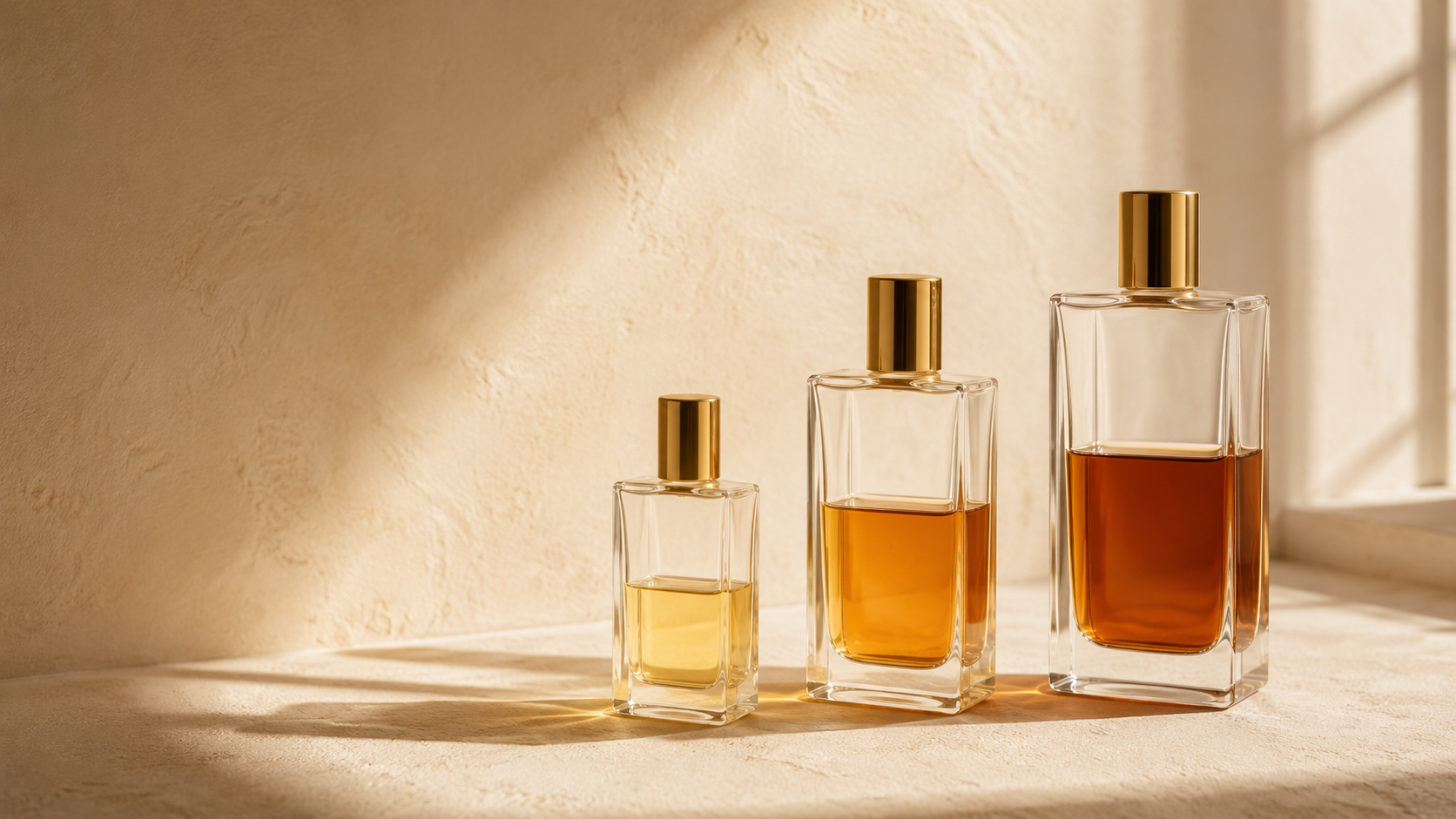
Eau de Toilette, Eau de Parfum and Parfum describe how much perfume oil is dissolved in the alcohol. More oil generally means the scent lasts longer and costs more.
If you are working out a first purchase from scratch, start with the full guide to choosing a perfume in Sri Lanka. This post is the detailed version of the concentration step.
That is the version you have already read. It is broadly true and it leaves out the three things that actually decide whether a bottle is worth the money.
Nobody enforces these labels
Start here, because it changes how you read every box in the shop.
There is no law, in Sri Lanka or anywhere else, that defines what percentage of oil a fragrance must contain to be called an Eau de Parfum. The usual figures you see quoted are industry convention, not a standard. Brands decide for themselves.
| Name | Typical oil content | Usual wear time |
|---|---|---|
| Eau Fraiche | 1 to 3% | Under an hour |
| Eau de Cologne (EDC) | 2 to 4% | About an hour |
| Eau de Toilette (EDT) | 5 to 15% | 3 to 5 hours |
| Eau de Parfum (EDP) | 15 to 20% | 6 to 8 hours |
| Parfum or Extrait | 20 to 30% | 8 hours or more |
Those ranges are wide for a reason. One brand's EDP at 15% and another's at 20% wear the same name and the second contains a third more oil. Two EDTs can sit at opposite ends of a range that spans a factor of three.
Which means the label narrows things down. It does not tell you what is in the bottle.
Concentration is not a quality rating
This is the assumption that costs people the most money. Oil percentage measures how much material is in there, not how good the material is.
A fragrance at 20% built from cheap synthetics will smell thinner and more chemical than one at 10% built from good ones. Concentration decides how long it stays and how far it carries. The materials decide whether you want it near you at all.
There is a second effect people miss. At higher concentrations the base notes dominate sooner and the bright opening gets buried. If you love a fragrance because of its fresh citrus first ten minutes, the Parfum version may actually disappoint you, because you paid more to lose the part you liked.
The same name is often not the same scent
The most useful thing in this article, and the one that surprises people.
When a house releases a fragrance in both EDT and EDP, it usually is not the same liquid at two strengths. Perfumers reformulate. Notes get added, removed or rebalanced, because a composition that works at 10% can smell unbalanced at 18%.
So the EDP of a scent you already like is not a guaranteed upgrade. It is a related fragrance that shares a name and a bottle shape. Sometimes it is better. Sometimes it is a different thing wearing the same label.
Never buy the stronger version unsmelled on the assumption it is just more of what you already own. Test it as if it were a new release, because in practice it is one.
So what is the money buying
Oil content is a small part of a bottle's price. The rest is spread across things that have nothing to do with what you smell.
- Licensing. Most designer fragrances are made under licence by a fragrance house that pays the fashion brand for the name. That fee is in your price.
- Marketing. Campaigns, celebrity faces, magazine placement and airport counters are funded by the bottles that sell.
- The bottle. Heavy glass, metal collars and magnetic caps cost real money to produce and to ship without breaking.
- Distribution. Import duty, freight, the local distributor and retail margin all stack before it reaches you.
- The juice. Frequently the smallest line in the list.
This is why a Gulf-house EDP can cost a third of a European designer EDT while containing more perfume oil. Houses like Lattafa and Afnan sell under their own names, so they pay no licensing fee, spend far less on marketing, and ship from much closer. You are paying for the contents rather than the campaign.
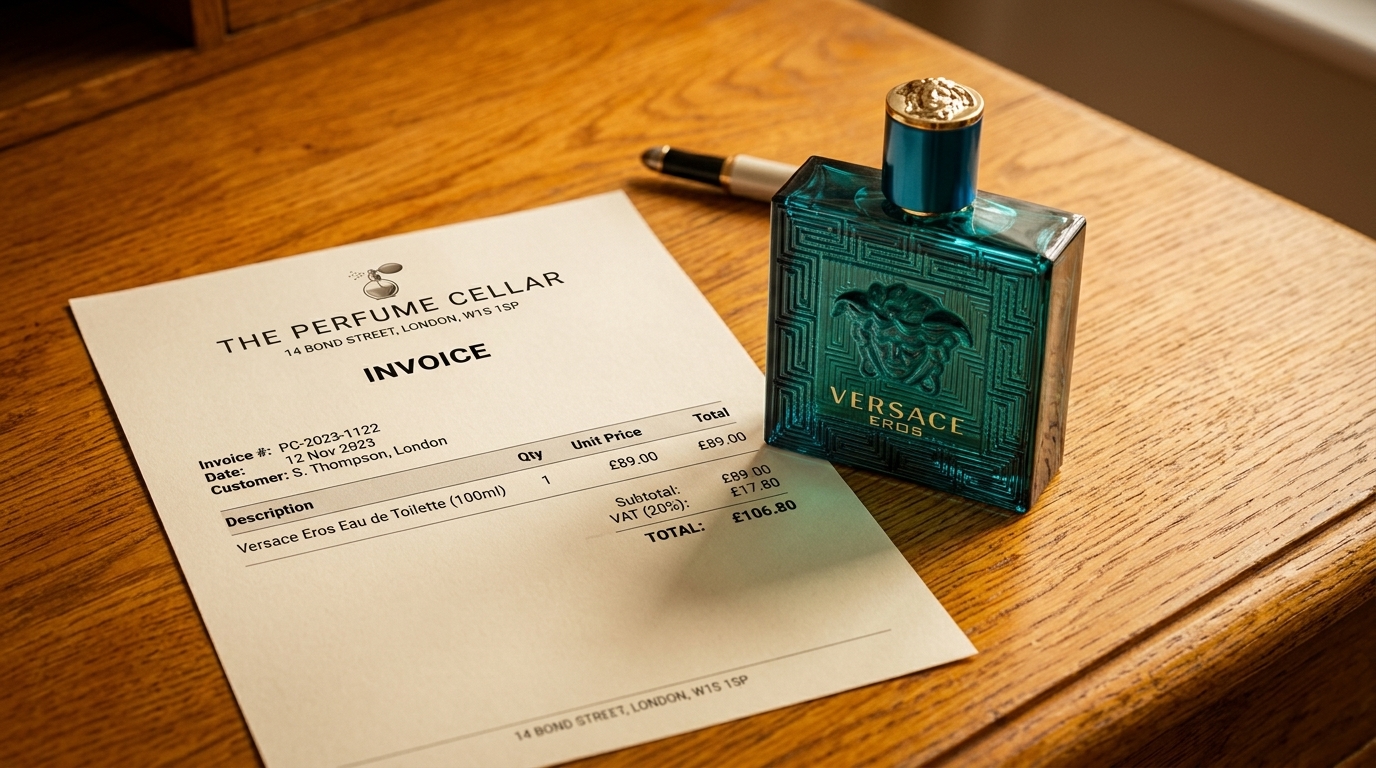
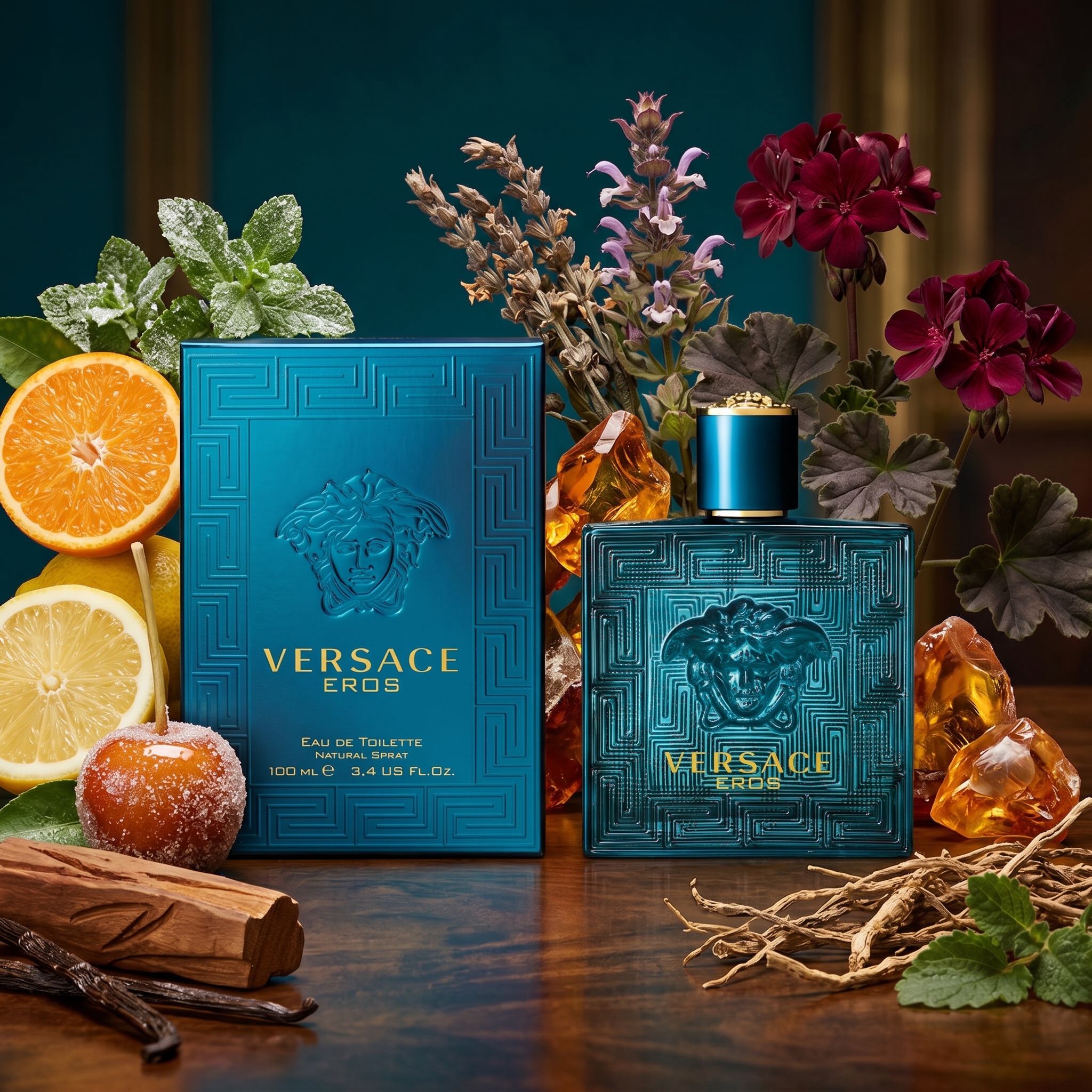
It also explains the reverse. A designer EDT such as Versace Eros carries costs a Gulf release does not, and part of what you buy is the name on the bottle. That is a legitimate thing to want. It is worth knowing that it is what you are choosing.
Work out the price per millilitre
The only number that lets you compare across brands and sizes honestly. Divide the price by the millilitres.
A bottle at Rs. 12,000 for 100ml costs Rs. 120 per ml. One at Rs. 30,000 for 100ml costs Rs. 250 per ml. The second is not twice the fragrance, it is twice the cost of each spray, and you should be able to say what the extra is for before you pay it.
Run the same sum on the smaller sizes. A 50ml is usually more expensive per ml than a 100ml of the same thing, so if you know you will finish the bottle, the larger size is better value. If you are not sure yet, paying more per ml for less commitment is a sensible trade rather than a mistake.
Try a decant before committing
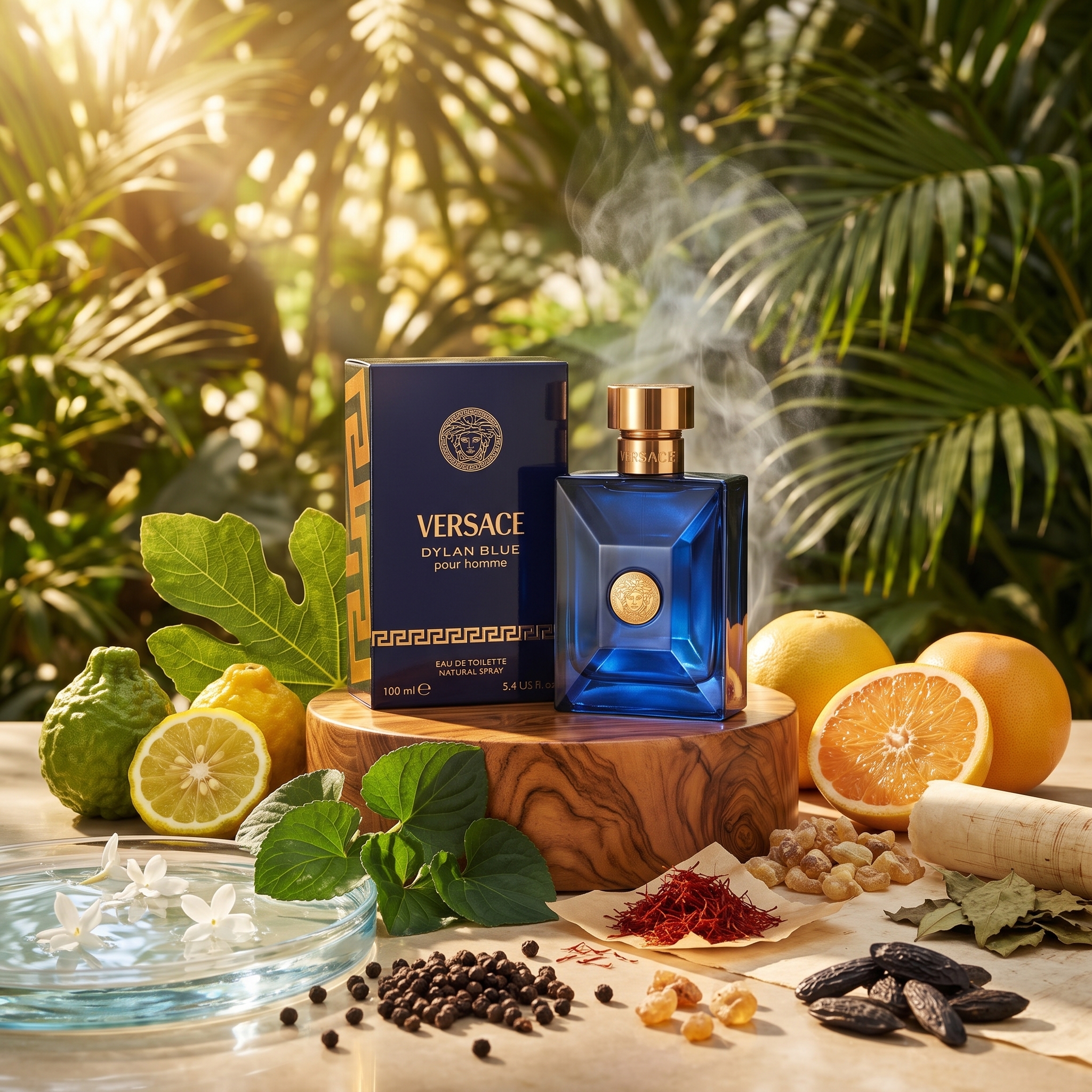
Where a small size exists, it is the cheapest way to find out whether a fragrance suits you and your climate before spending on a full bottle. We list 5ml sizes on some of the Versace lines, including Dylan Blue, alongside the 100ml.
Check the per-ml figure on both before assuming the small one is the expensive option. It is not always true, and the arithmetic takes ten seconds.
Which one should you actually buy
Concentration is a tool for matching a fragrance to an occasion, not a ladder to climb.
- EDT for daytime, work and anything in the heat. It fades, which is the point. You keep the option to reapply and you do not fill a closed room.
- EDP for evenings, events and any day you will not get back to a bottle. This is also the sensible pick if you want one fragrance to do most jobs.
- Parfum when you already know the scent well and want it at its richest. A poor first purchase, an excellent third.
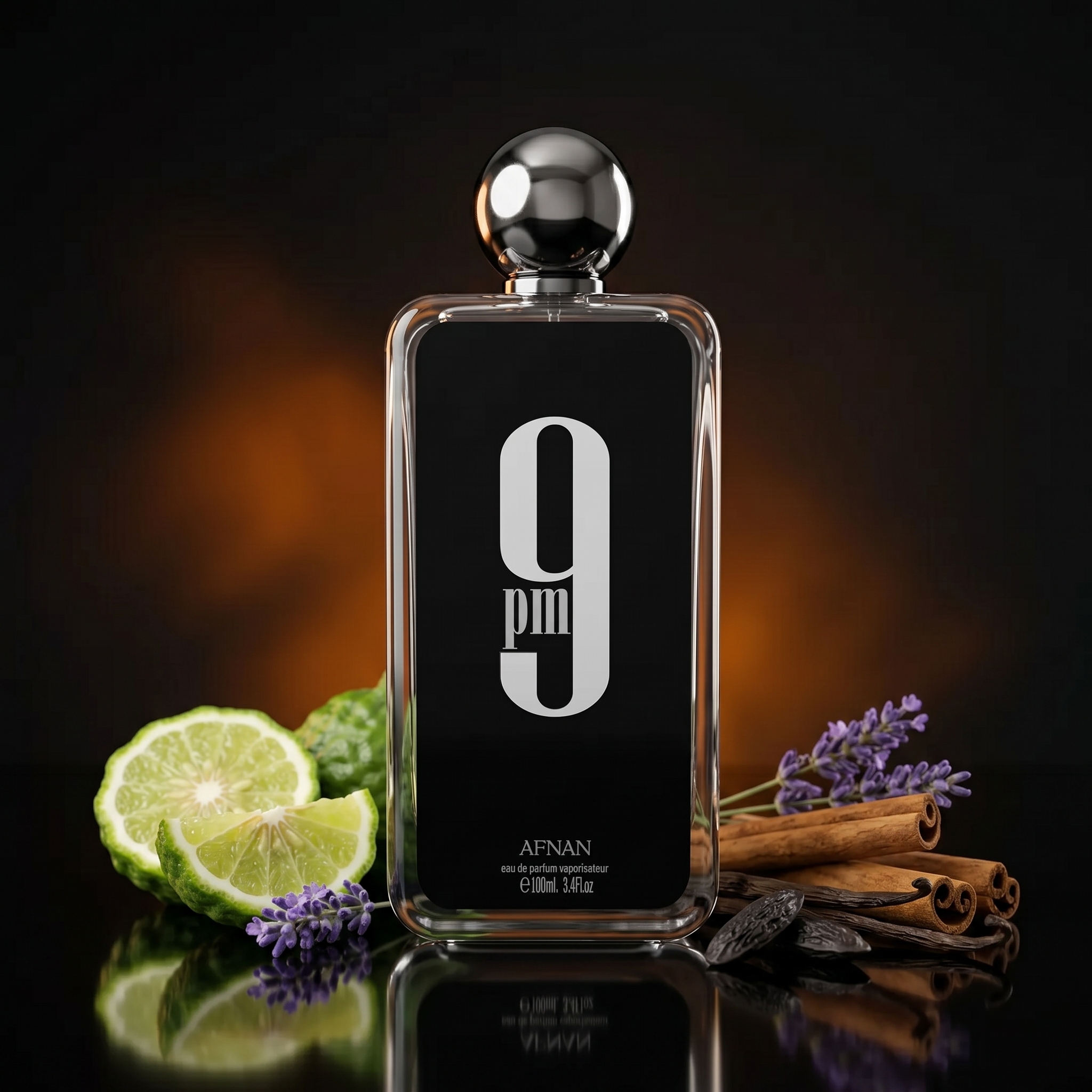
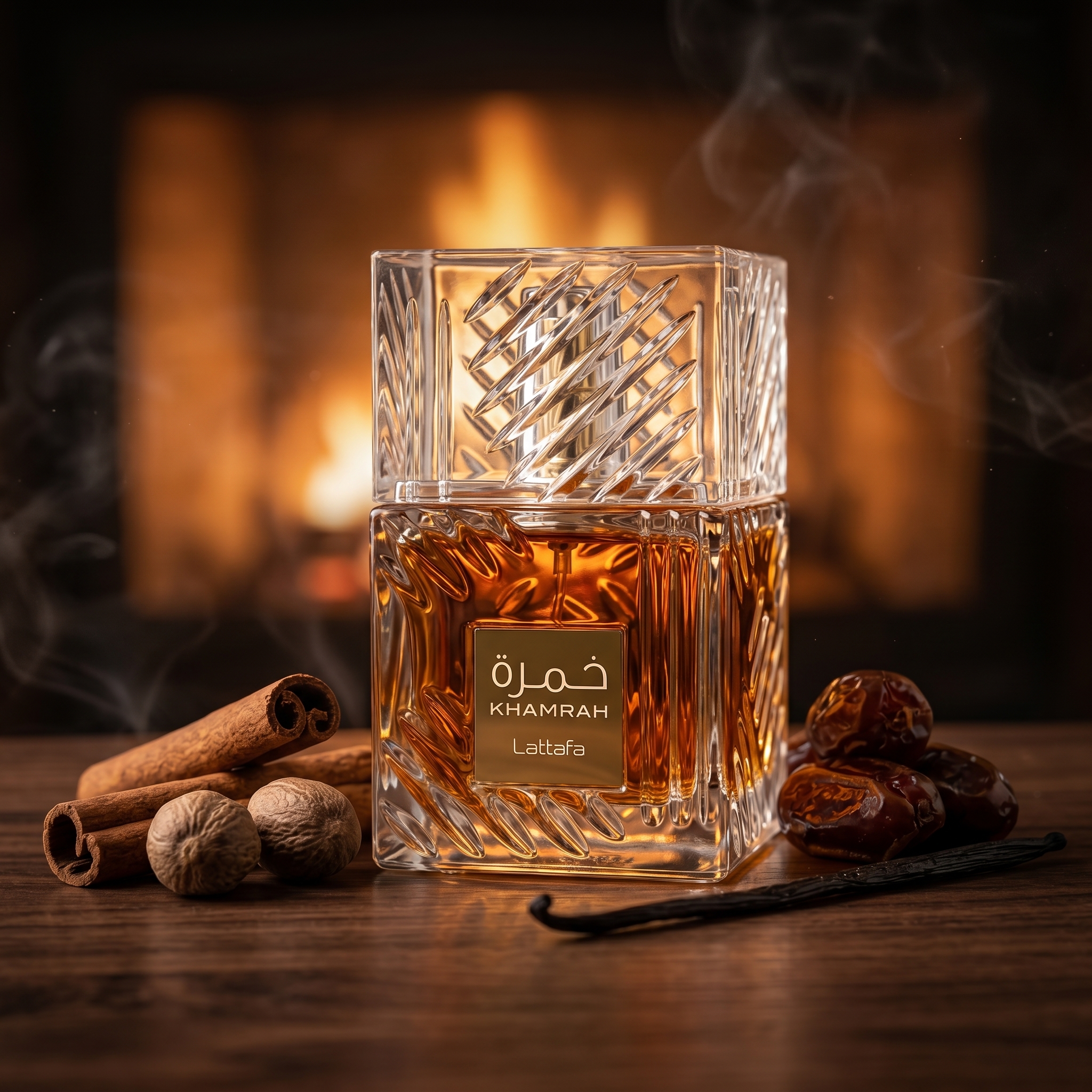
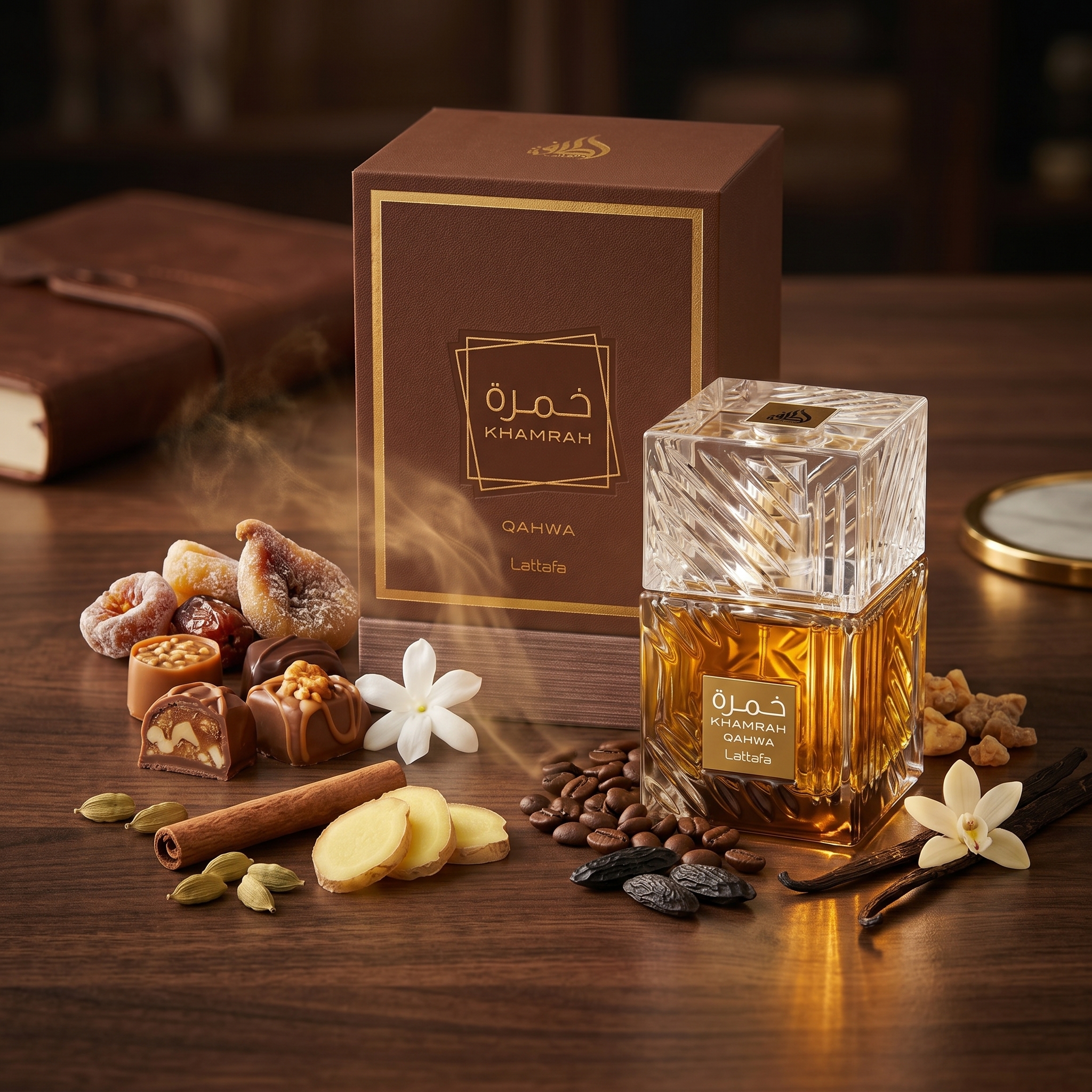
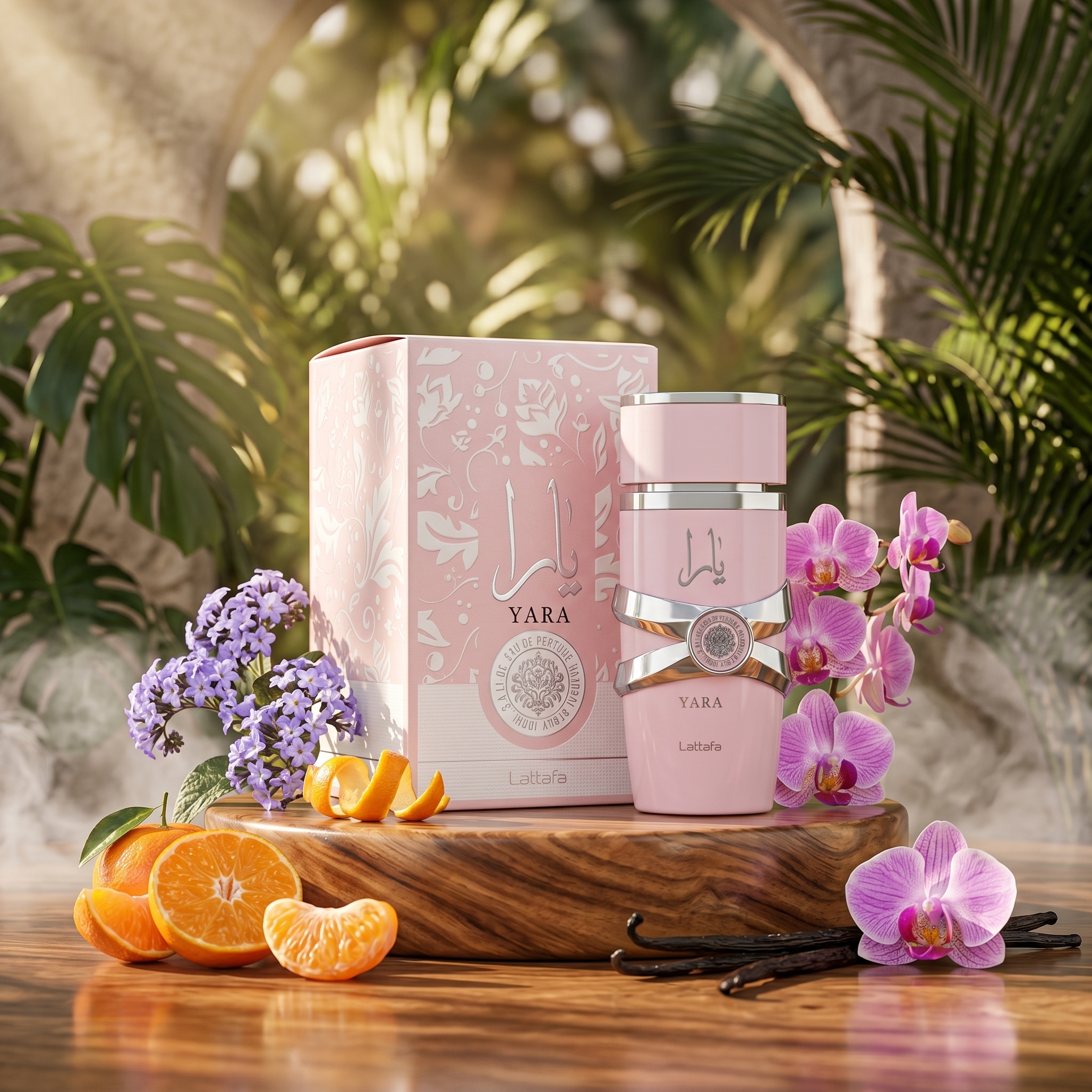
In Sri Lanka the balance tips towards EDP more than it would in a cooler country, because heat shortens everything. If you are choosing one bottle and want it to last a full day, buy the EDP. An EDP like Khamrah or 9PM is built to hold in exactly this weather, and Yara does the same on the sweeter side.
How long any of them actually lasts here depends as much on where you spray and how you store the bottle as on the concentration. That is covered in our guide to making fragrance last in Sri Lankan heat.
Common questions
Is EDP always better than EDT?
No. It lasts longer, which is a different claim. An EDT you reach for daily is worth more than an EDP that feels too heavy and stays in the cupboard.
Does a higher concentration mean a stronger smell?
It means it lasts longer and projects further, but not that it hits harder up close. A well-made EDT can smell more intense in the first minutes than a Parfum designed to sit close to the skin.
What does "Extrait de Parfum" mean?
The same thing as Parfum, at the top of the concentration range. Different houses prefer different words for it.
Are unisex fragrances a real category?
Yes, and the men's and women's split is largely a marketing decision anyway. Amber, vanilla and oud compositions in particular are worn by everyone. Buy what smells right on you.
Why does the same bottle cost different amounts in different shops?
Import route, batch age, duty paid and how much stock the seller is carrying. A moderate difference is normal. A price far below everyone else is a reason to check what you are being sold rather than a bargain.
The short version
The letters tell you roughly how long it lasts, nothing about how good it is, and nothing reliable about whether the EDP of your favourite EDT will smell the way you expect.
Work out the price per millilitre, smell the exact version you are buying rather than the one you already know, and pick the concentration that fits when you will wear it. You can compare sizes and concentrations across everything we carry on the shop page.
See our fragrance guides first in your Google results.
Mentioned in this guide
Shop the bottles
Afnan
Afnan 9PM
Starting from
Lattafa
Lattafa Khamrah
Starting from
Lattafa
Lattafa Khamrah Qahwa
Starting from
Lattafa
Lattafa Yara
Starting from
Versace
Versace Dylan Blue
Starting from
Versace
Versace Eros
Starting from