How to Spot a Fake Perfume in Sri Lanka Without Guessing
Counterfeits have got good enough that half the advice online no longer works. Here are the checks that still hold, the myths to drop, and the difference between a fake and a clone.
Most guides to spotting fake perfume are ten years out of date. They tell you to look for a crooked label or a flimsy box, and the better counterfeits stopped failing those tests a long time ago. Some now arrive in packaging that is genuinely hard to fault.
What still works is a smaller list, and it starts before the bottle is in your hands. Below is what to check, what to stop bothering with, and one distinction that causes more confusion in Sri Lanka than counterfeiting itself.
Four different things people all call "fake"
This trips up buyers constantly, and getting it wrong means either paying for a counterfeit or refusing a perfectly genuine bottle. They are not the same thing.
| What it is | Genuine? | What you are getting |
|---|---|---|
| Counterfeit | No | Pretends to be a brand it is not. Unknown ingredients, no accountability. |
| Clone or "inspired by" | Yes | A legal fragrance sold under its own name that happens to smell similar to something famous. |
| Parallel import | Yes | Real product brought in outside the brand's official distributor. Same juice, no local warranty. |
| Tester | Yes | Real juice in plain packaging, usually marked "not for sale". Sold as a full retail bottle, it is a rip-off. |
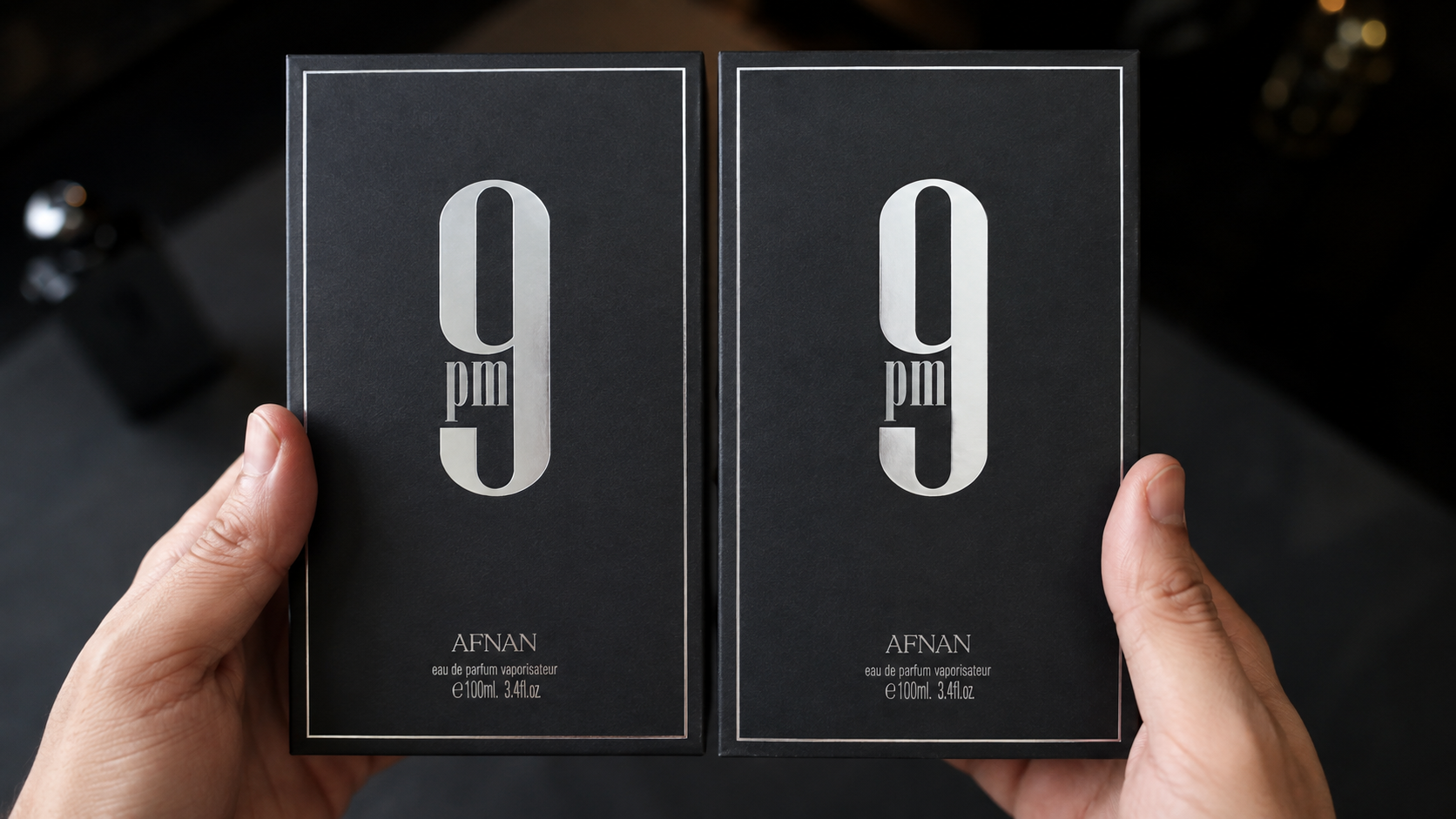
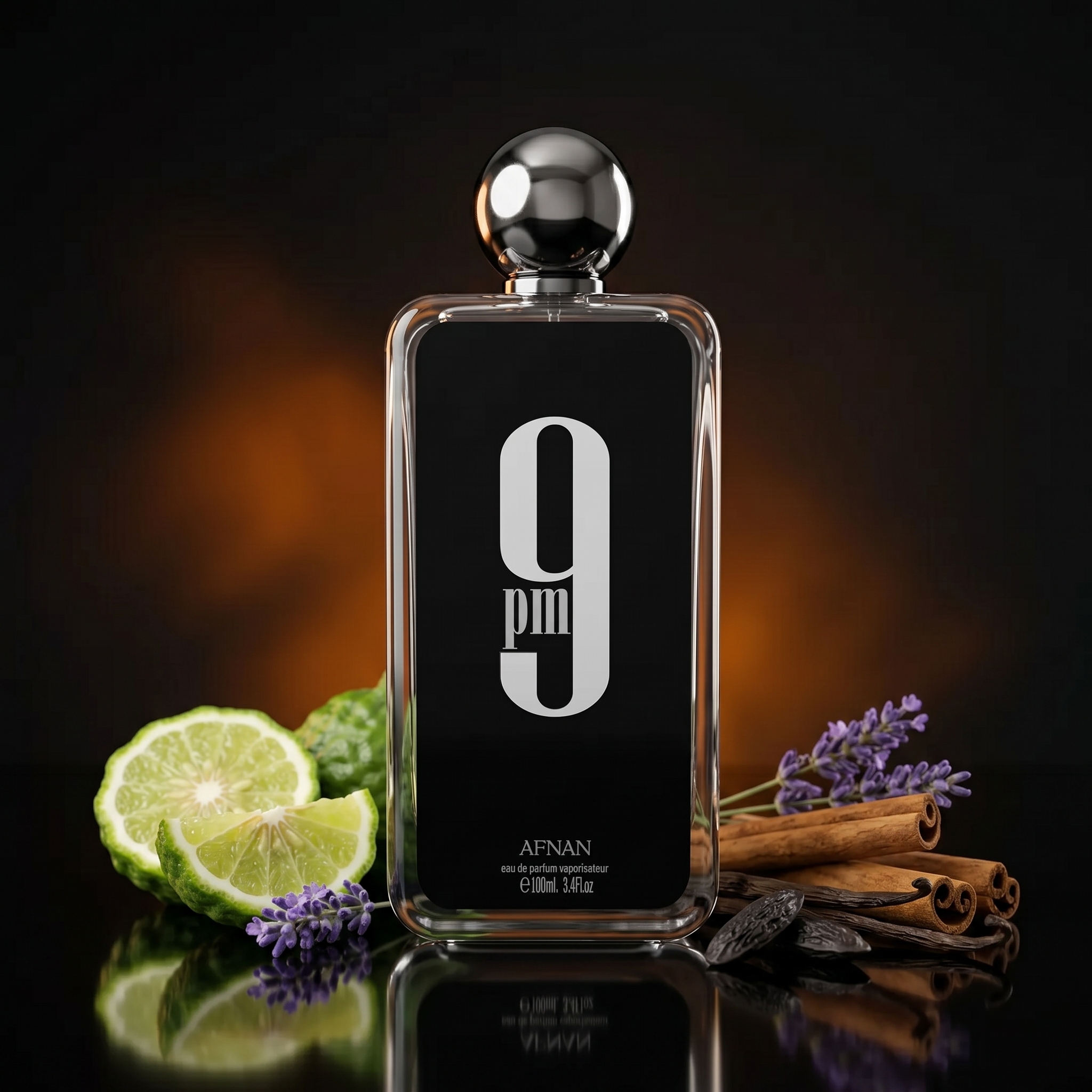
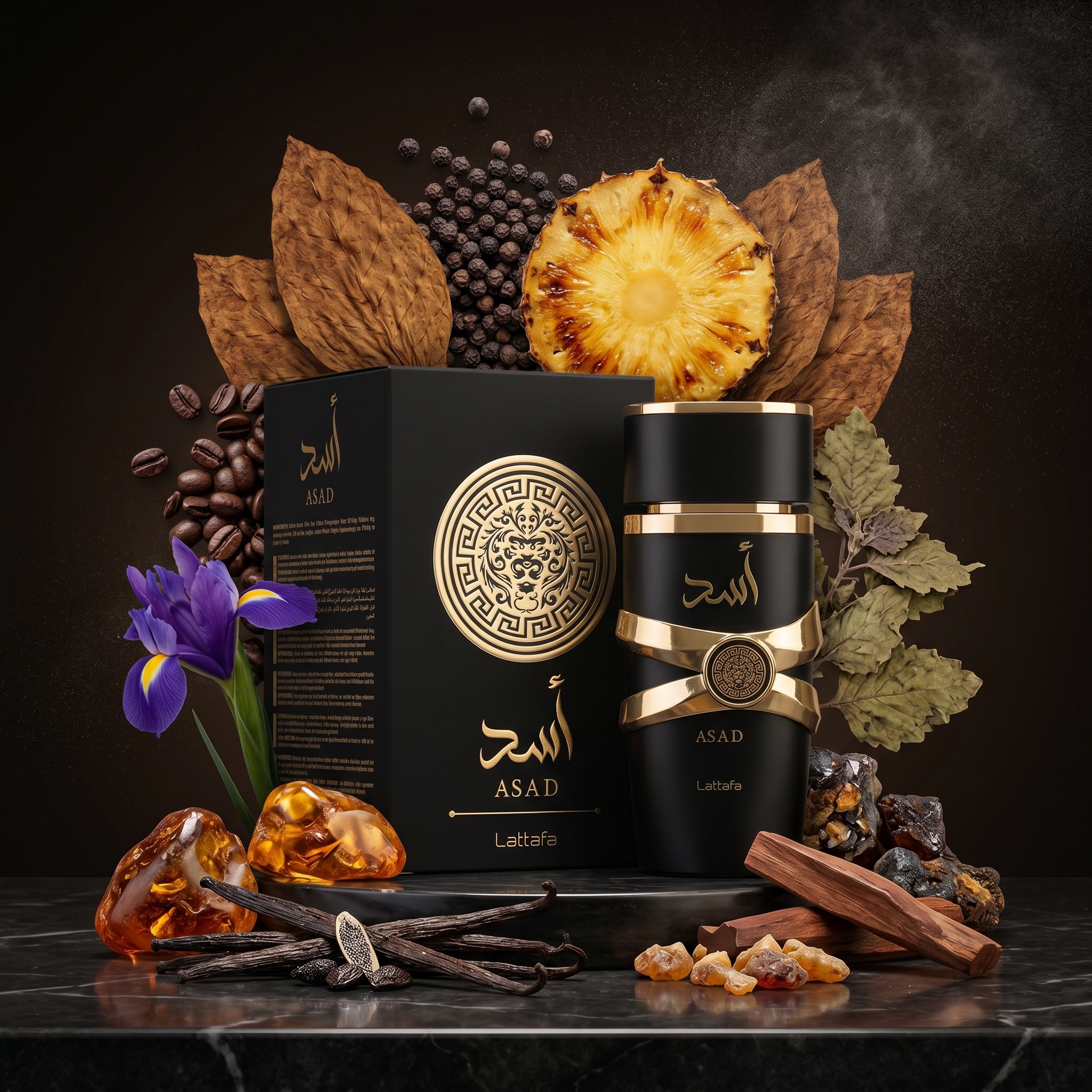
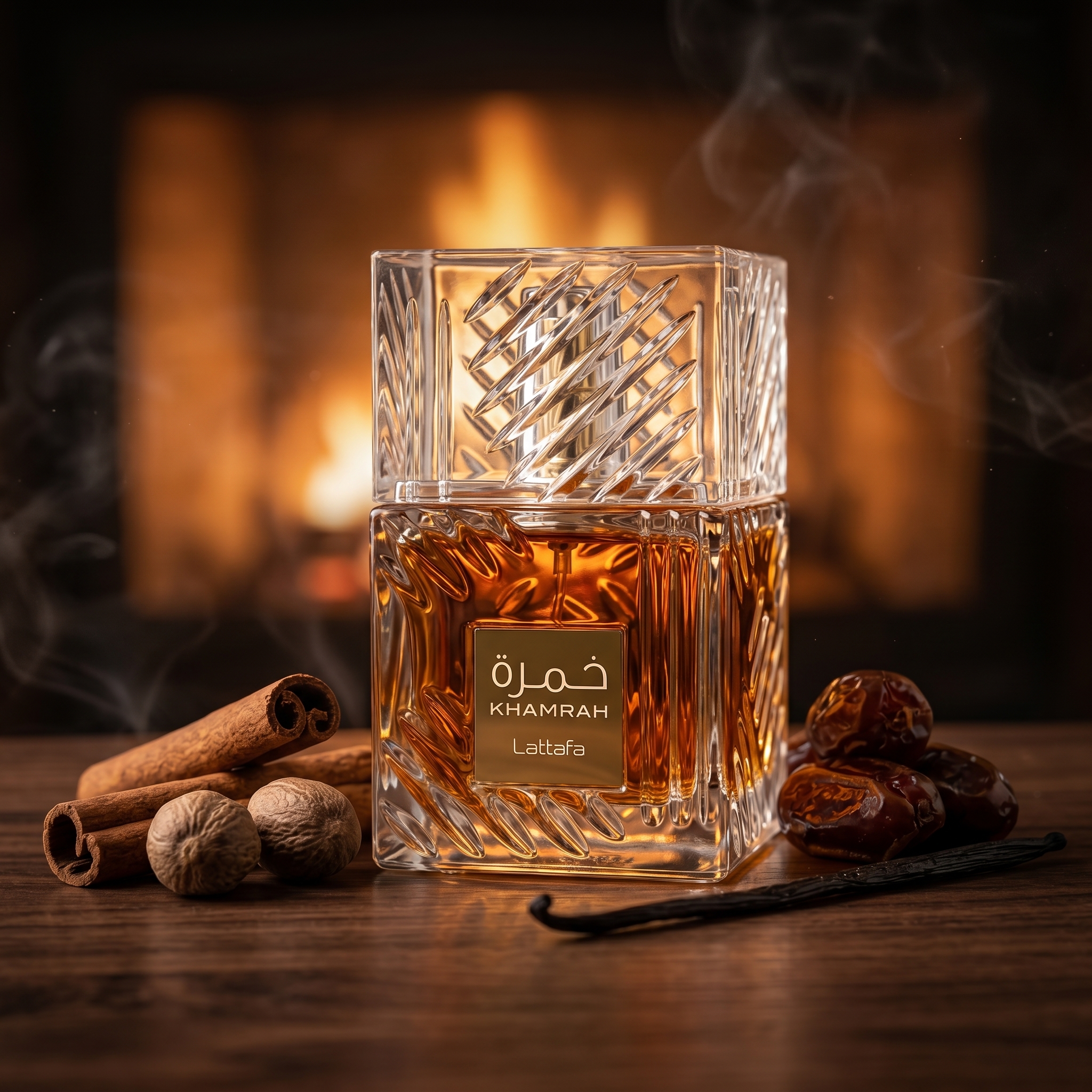
The clone point matters here more than anywhere else, because a large share of what sells in Sri Lanka comes from Gulf houses. Lattafa Khamrah, Asad and Afnan 9PM are original compositions released under their own brand names. They are not counterfeits of anything, and people who dismiss the whole category as "fake" are simply wrong.
A counterfeit is defined by deception. It puts someone else's name on the box. A Lattafa bottle that says Lattafa on it is exactly what it claims to be, whatever it reminds you of.
The single biggest factor is where you buy
Every physical check below is a fallback. The bottle is already bought by then. The reliable protection is buying somewhere that has something to lose.
Warning signs in a listing, in rough order of how much they should worry you:
- The words "first copy", "master copy", "1:1", "AA grade" or "original quality". These are not descriptions of genuine goods. They are the trade's own vocabulary for counterfeits, and a seller using them is telling you outright.
- No business address, no landline, no returns policy. An account that exists only as a social media profile can disappear the day after your money does.
- A price far below every other seller. Not slightly below, which happens with parallel imports and genuine clearance. A designer 100ml at a fifth of the going rate is not a bargain anyone found for you.
- Stock photos lifted from the brand. A seller holding real stock can photograph it. Ask for a picture of the actual bottle, with today's date written on paper next to it.
- Only advance bank transfer accepted. Refusing cash on delivery removes your one chance to look before you pay.
That last point is worth using. If cash on delivery is offered, you can inspect the sealed package at the door and refuse it if something is wrong. Our own FAQ page sets out how we handle authenticity, delivery and payment, and there is a returns policy with a stated window. Read the equivalent pages on any site before ordering. A seller who has not written any of that down has not thought about what happens when a customer is unhappy.
Checks that still work on the bottle
Match the batch code
Genuine perfume carries a batch code printed on the box and stamped or etched on the bottle itself, usually near the base. Two things to check.
First, the two must match. Counterfeit operations print boxes and fill bottles separately, and a mismatch is one of the few near-certain signs left.
Second, run the code through a free checker such as CheckFresh or CheckCosmetic. If it returns a plausible manufacturing date, that is a good sign. If the code is not recognised at all, that alone is not proof of anything, since not every brand is covered. Treat it as one input.
Be suspicious of a code that is printed on a sticker rather than stamped into the box, or one that rubs off with a thumb.
Handle the atomiser
This is the part counterfeiters find hardest to get right, because it is engineering rather than printing.
A genuine sprayer produces a fine, even mist in a consistent cone. A fake tends to spit, produce a coarse wet spray, or need two or three presses to prime. The dip tube inside should be cut cleanly and reach the bottom of the bottle. Look for a tube that is bent, too short, or visibly floating.
The cap is a second tell. On most designer bottles it seats with a definite click or magnetic pull and sits square. A cap that wobbles, sits at a slight angle, or has to be forced is worth a second look.
Look at the glass and the juice
Hold the bottle up to daylight. Quality glass has no bubbles in the walls, no rough seams, and no sharp edges around the neck. Engraving should be crisp rather than soft-edged.
The liquid should be clear with no floating particles and no sediment settled at the bottom. Colour is a weaker signal than people think, because genuine perfume darkens slightly with age and some batches vary. What is not normal is cloudiness.
Trust your nose over several hours, not several seconds
A counterfeit often smells passable in the first thirty seconds, because the opening is the easiest part to imitate. Where it falls apart is afterwards.
Signs of a fake as it develops:
- A sharp alcohol or nail-varnish edge that does not settle after a few minutes
- The scent going flat and one-dimensional within the hour, rather than shifting as the base notes appear
- Almost nothing left after ninety minutes, on a fragrance sold as an EDP
Bear in mind that our climate shortens everything, so weak longevity on its own is not proof. A genuine EDT fading in three hours here is normal. A genuine EDP vanishing in one is not.
Myths worth dropping
These circulate widely and will lead you to the wrong conclusion.
- "The cellophane will be loose or badly folded." Wrapping machines are cheap. Plenty of counterfeits are wrapped better than the real thing.
- "Check whether the bottle floats." This tells you about liquid density, which varies between genuine formulations anyway. It proves nothing.
- "The barcode country must match where the brand is based." Manufacturing and bottling are routinely split across countries. Genuine stock frequently carries a barcode from somewhere unexpected.
- "A real one is always in perfect packaging." Genuine bottles get dented in shipping and warehousing. A scuffed box on its own means the box had a rough trip.
- "If it is cheap it is fake." Parallel imports, older stock and discontinued packaging are all genuinely cheaper. Price is a signal, not a verdict. The judgement is about how far below the market it sits, not that it is below at all.
What a fair price actually looks like
Rather than memorising figures, compare across three or four sellers before you buy, including at least one you already consider reliable. You are looking for the shape of the market, not the lowest number in it.
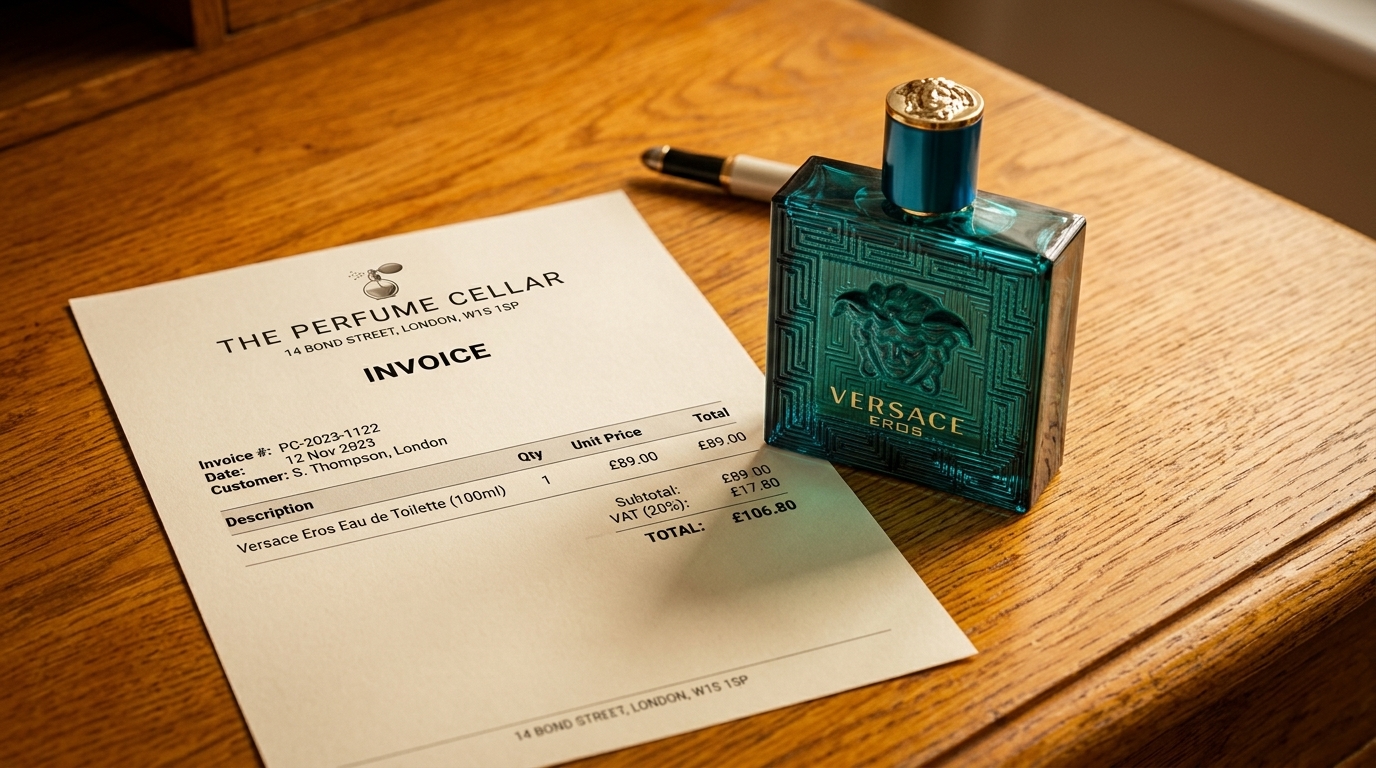
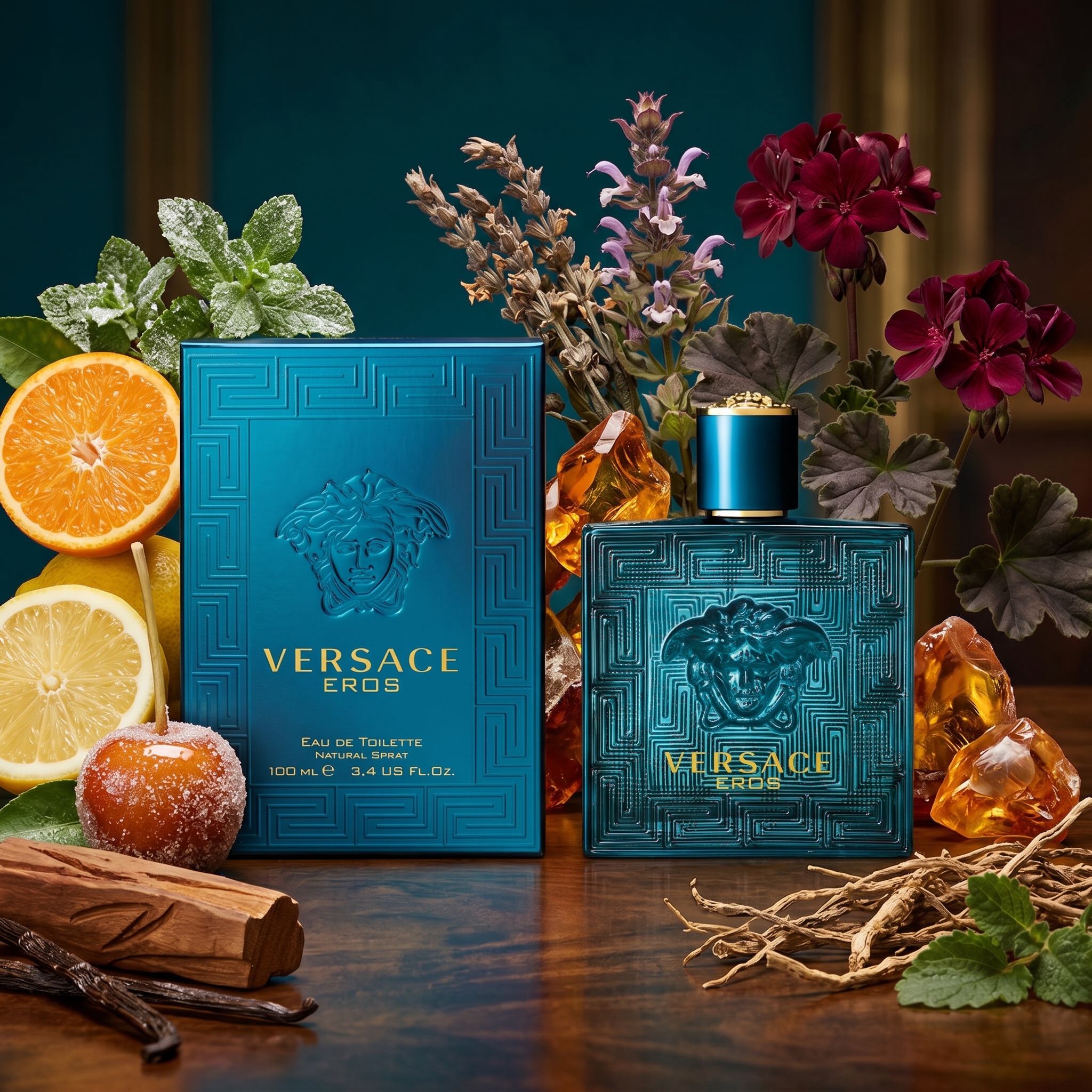
Roughly speaking, a Gulf-house EDP such as Khamrah or 9PM sits in a different bracket from a designer EDT such as Versace Eros, and that gap is normal. It reflects distribution and licensing, not quality of ingredients — we break down where the money in a bottle actually goes if you want the detail. Designer fragrances from the big European houses are also the most heavily counterfeited in the world, precisely because the name carries the price.
Current prices for everything we stock are on each product page, which gives you one more reference point when you are comparing.
If you think you already bought a fake
Stop wearing it. Counterfeit fragrance is made outside any regulatory system, so the ingredients are unknown and undeclared. Reports of skin irritation and rashes are common enough to take seriously, and there is no way to know what is in a given bottle.
Then, in order:
- Photograph the box, the bottle, the batch codes and the listing you bought from, before you contact anyone.
- Request a refund from the seller in writing, so there is a record.
- If you bought through a marketplace, escalate to the platform rather than only the seller. Most have a counterfeit policy even when the seller ignores you.
- If you paid by card or bank transfer and get nowhere, ask your bank about a dispute.
- Selling counterfeit goods is an offence in Sri Lanka under the Intellectual Property Act No. 36 of 2003, and the Consumer Affairs Authority handles complaints from buyers. File one in writing, addressed to the Director General, with your supporting documents. Note the deadline: the CAA requires the complaint within three months of the purchase, so do not sit on it.
Leave an honest, factual review as well. Say what you checked and what you found. That is what warns the next person.
Common questions
Are cheaper Middle Eastern perfumes fake?
No. Houses like Lattafa and Afnan produce original fragrances under their own names and sell them at lower prices because they are not paying designer licensing costs. Some of their releases are openly inspired by famous scents, which is legal and is not the same as counterfeiting.
Is a tester bottle fake?
The juice is genuine. Testers come in plain boxes, often without a cap, and are meant for shop counters rather than sale. Buying one knowingly at a lower price is a reasonable choice. Being sold one at full retail price as a boxed bottle is not.
Can I tell from the smell alone?
Only if you know the genuine article well. Against an unfamiliar fragrance you have nothing to compare with, which is why the batch code and the seller matter more than your nose.
Does a QR code or hologram prove it is real?
Not by itself. Both are printed, and both get copied. A QR code that leads to the brand's own domain is mildly reassuring. One that leads to a random site is a bad sign.
Is it illegal to buy a fake in Sri Lanka?
The offence sits with selling and importing counterfeit goods rather than with an individual buyer. You are more likely to be treated as the injured party. That is exactly why reporting a seller is worth doing.
The short version
Check who you are buying from before you check the bottle. Match the batch code on the box against the bottle. Test the sprayer. Give it two hours on skin before you judge it. And treat "first copy" as the seller telling you the answer.
If you are buying your first bottle rather than replacing one, our guide to choosing a perfume in Sri Lanka covers the rest of the decision — climate, concentration and budget — with this authenticity step built into the order.
If you would rather not run through any of that, buy somewhere that puts its sourcing, its returns policy and its contact details in writing, and pays attention when a customer says something is wrong. Ours are on the FAQ and returns pages, and you are welcome to ask us anything before you order.
See our fragrance guides first in your Google results.
Mentioned in this guide
Shop the bottles
Afnan
Afnan 9PM
Starting from
Lattafa
Lattafa Asad
Starting from
Lattafa
Lattafa Khamrah
Starting from
Versace
Versace Eros
Starting from